
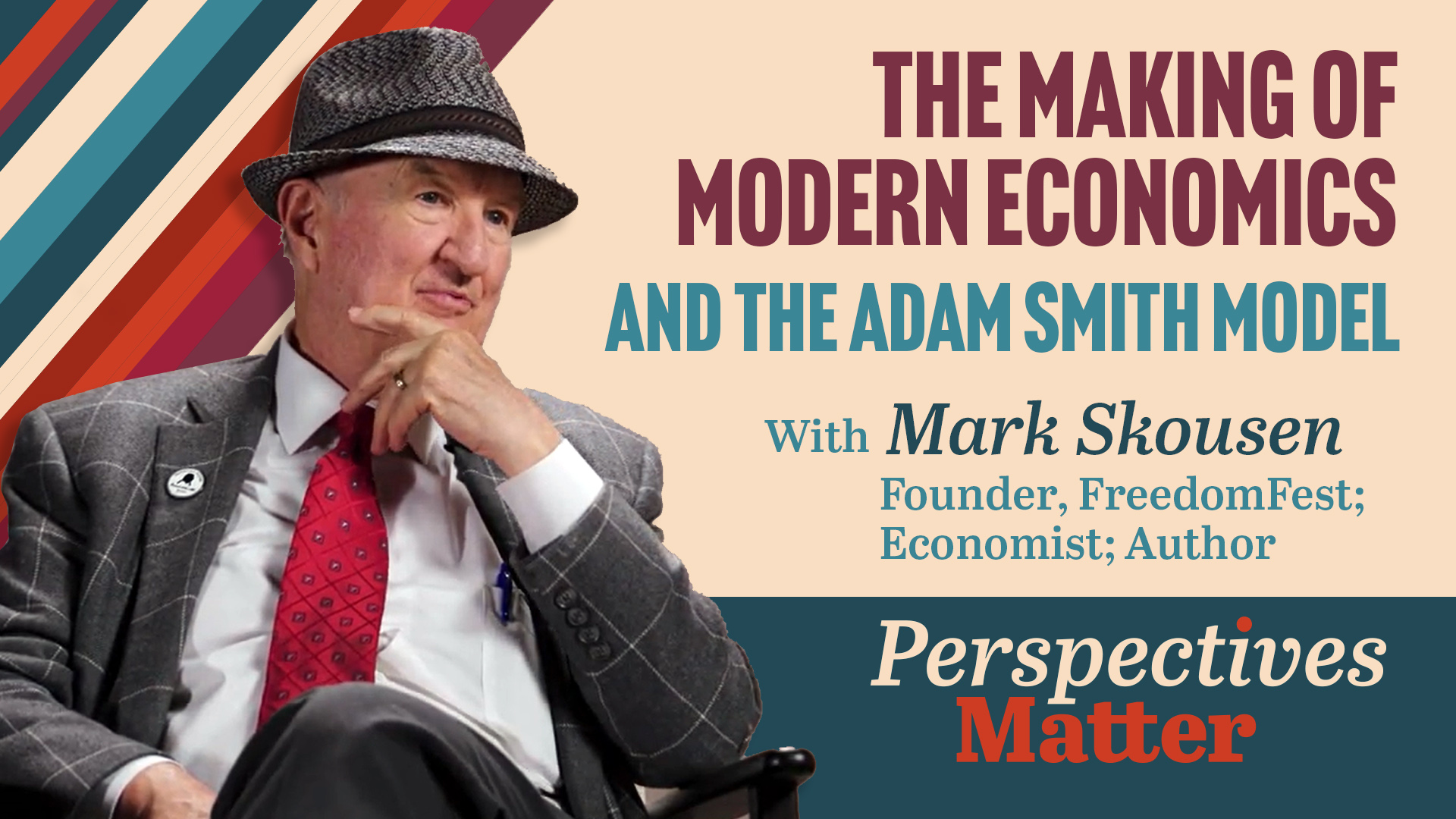
Adam Smith, Economic Freedom, and Why History Keeps Repeating Itself
Economist and FreedomFest founder Mark Skousen discusses his book The Making of Modern Economics, history's warning signs, his predictions on gold and infrastructure vulnerabilities, plus which career paths still offer opportunity in today's economy.
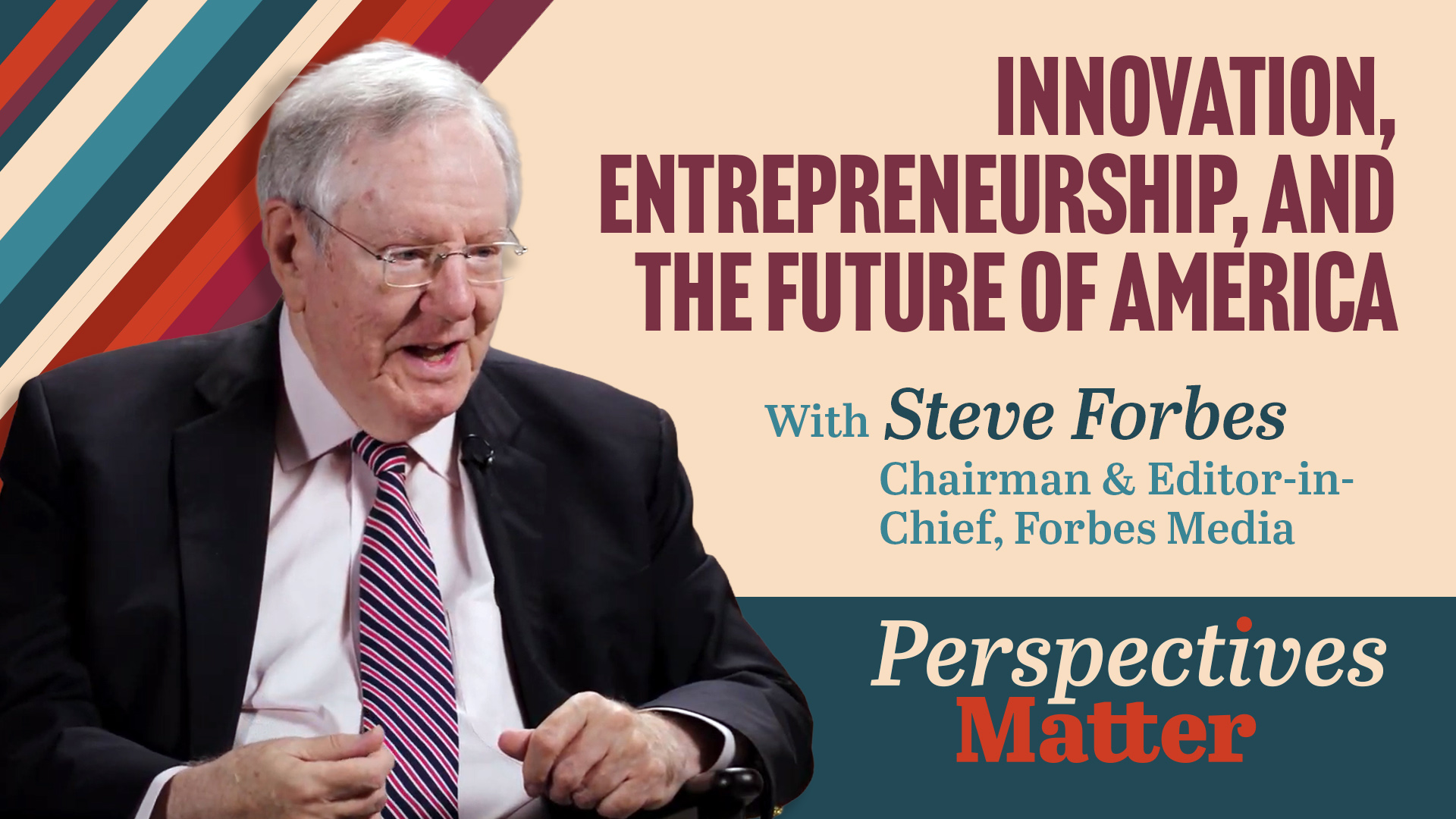
The Forgotten Inventors Who Shaped Modern Life
Steve Forbes, chairman and editor-in-chief of Forbes Media, shares the stories of overlooked American innovators and makes the case for why entrepreneurship flourishes in freer, less regulated environments.
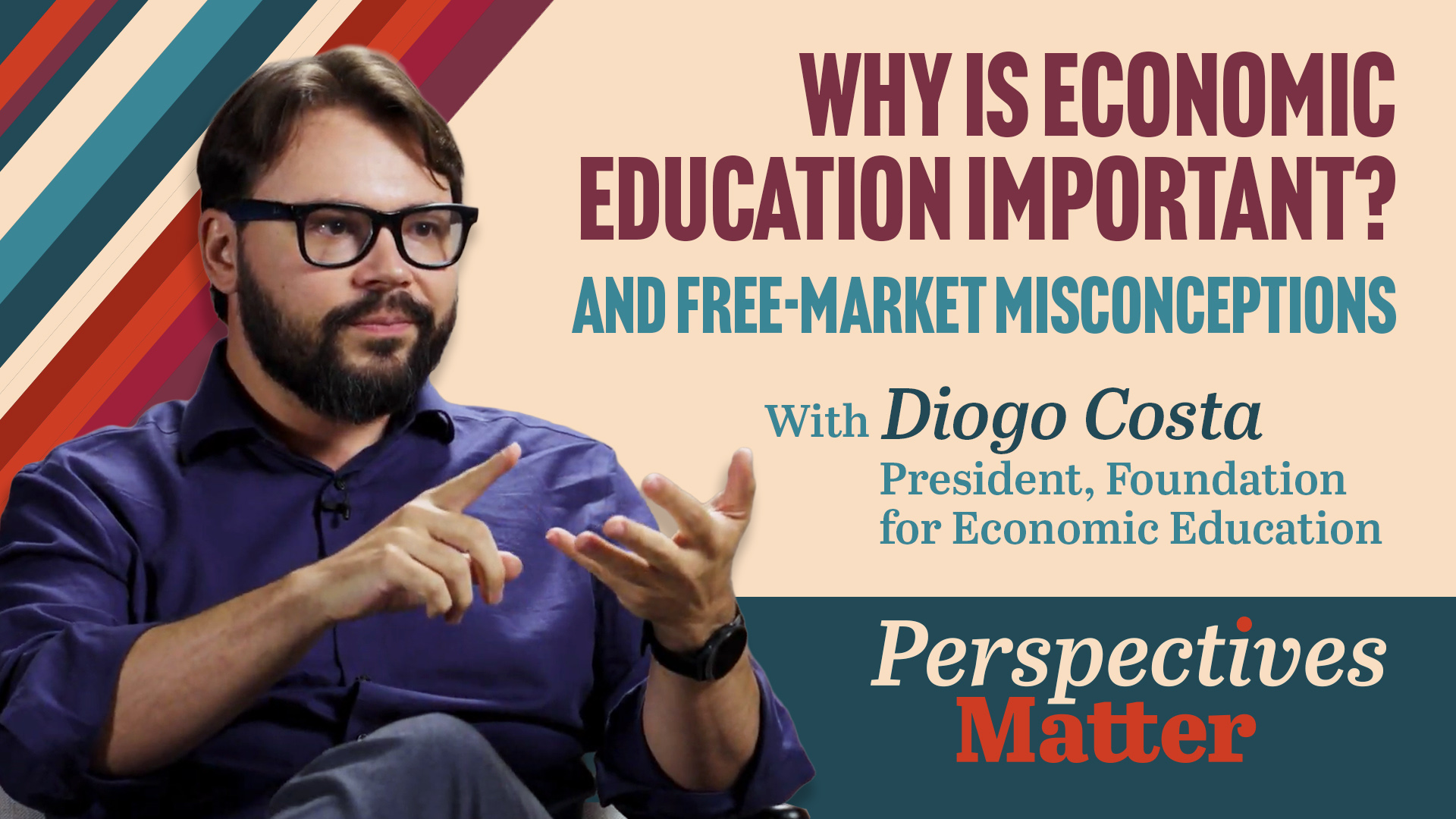
Why Every Generation Has to Relearn Economic Freedom
Diogo Costa, president of the Foundation for Economic Education, shares how his childhood in Brazil's hyperinflation era shaped his path toward championing sound economic principles.

Conspiracy: Why Smart People Believe Irrational Things
Founding publisher of Skeptic magazine Michael Shermer explores what separates legitimate conspiracies from baseless ones and how to tell them apart.
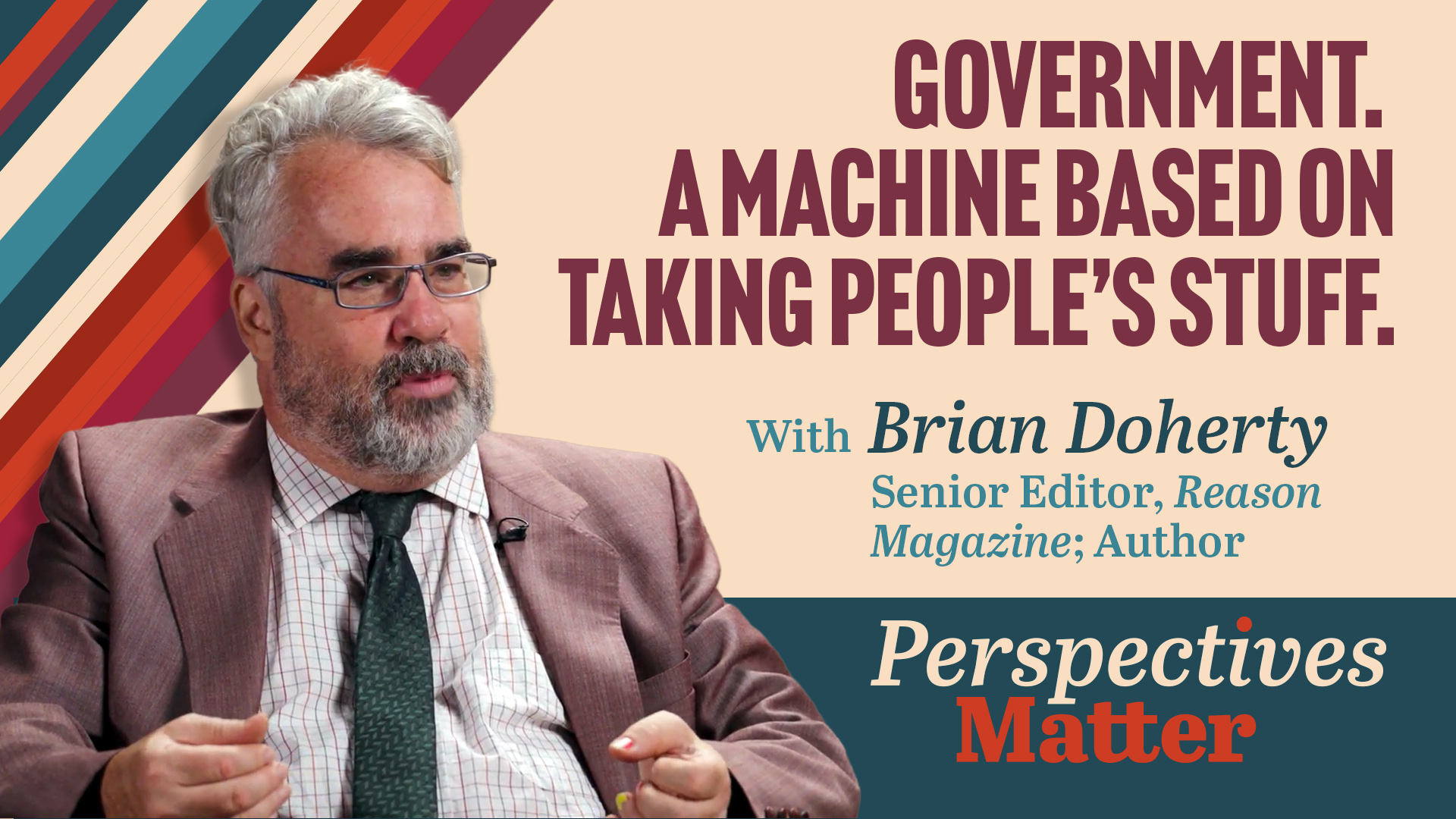
Free Minds, Free Markets: A Libertarian Take on Media, Guns, and Censorship
A candid conversation with Brian Doherty, senior editor at Reason Magazine, about libertarianism and its place in today's polarized media landscape.
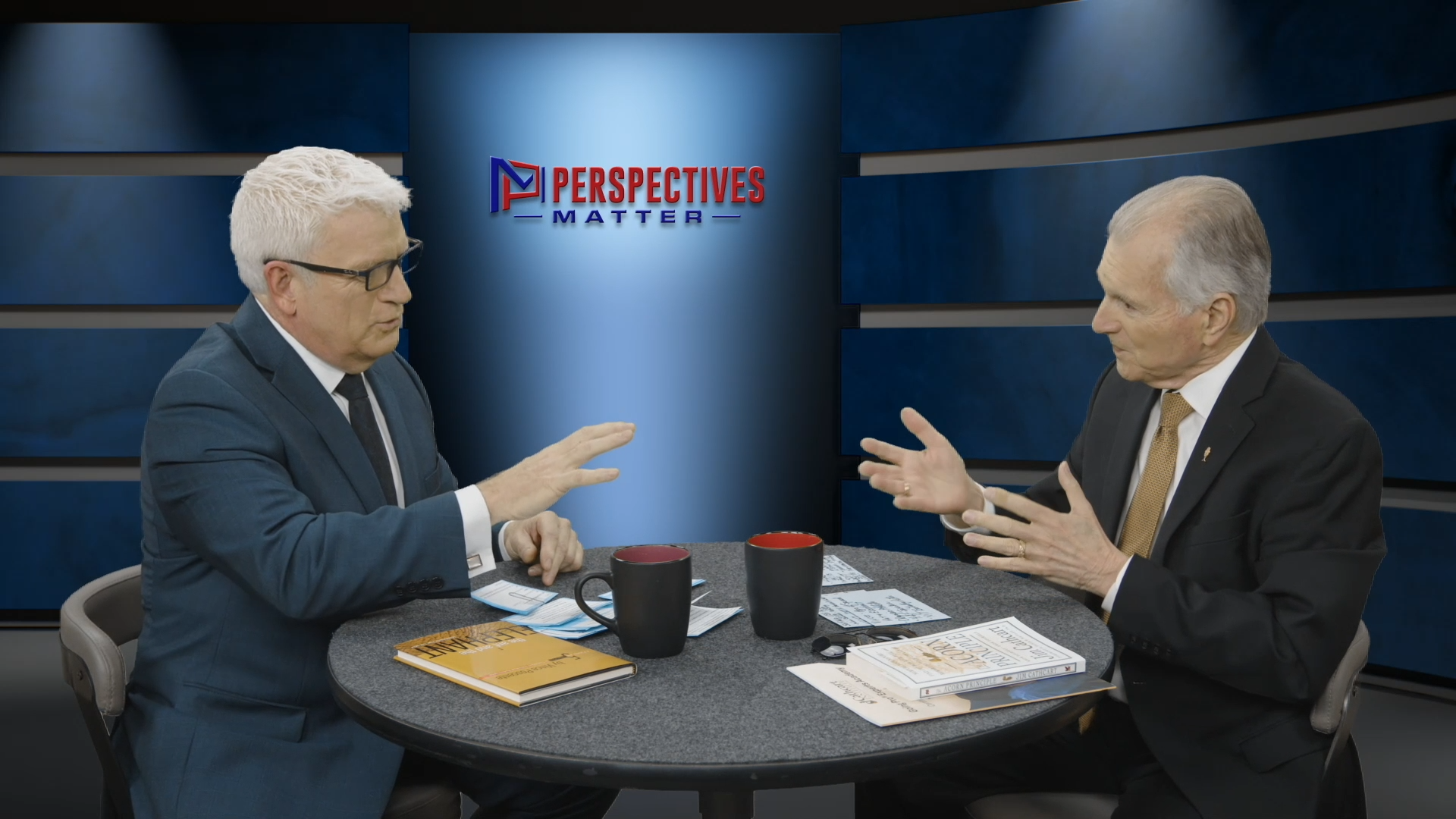
The Self-Help Industry: $12 Billion and Growing (5011)
Join hosts Vince Poscente, CPAE, and Jim Cathcart, CPAE, for The Self-Help Industry: $12 Billion and Growing.

The University of Austin: The Fearless Pursuit of Truth (4021)
Join us to learn more about the University of Austin and how it teaches.
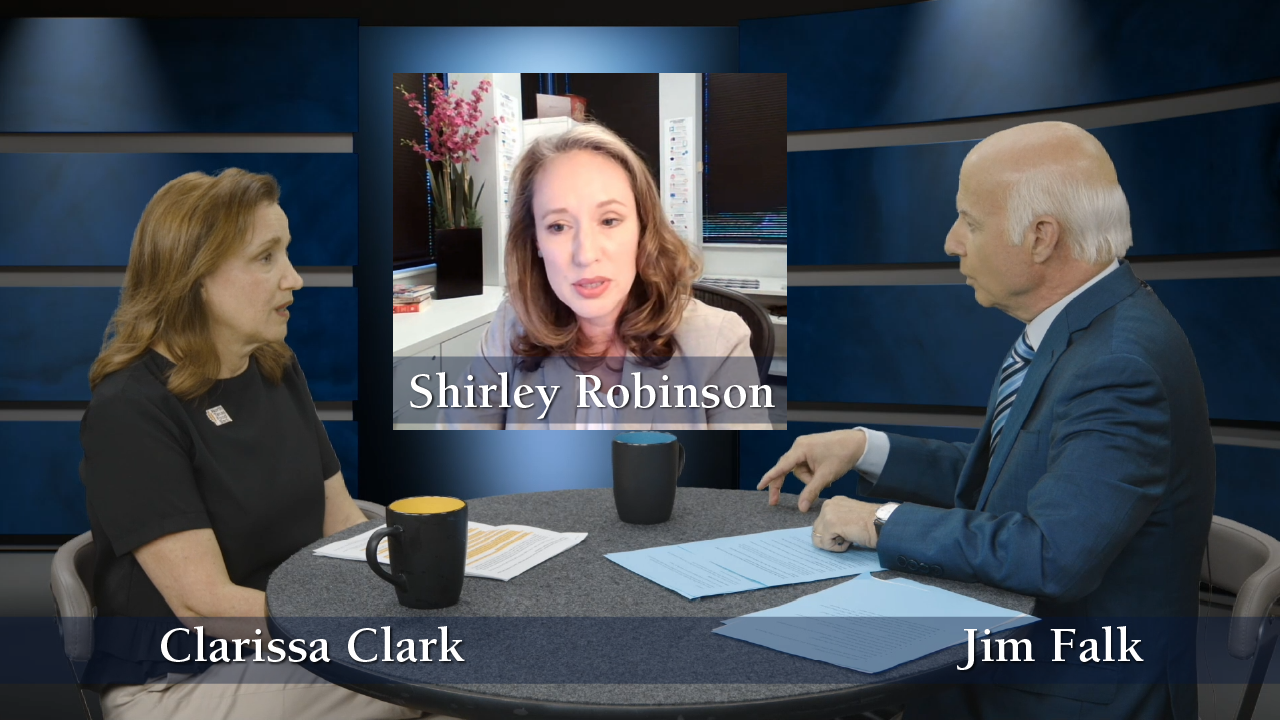
Nonprofits at Risk (5014)
As federal budgets are being sharply reduced and agencies dismantled, the effects are rippling across the country—often in unexpected ways.
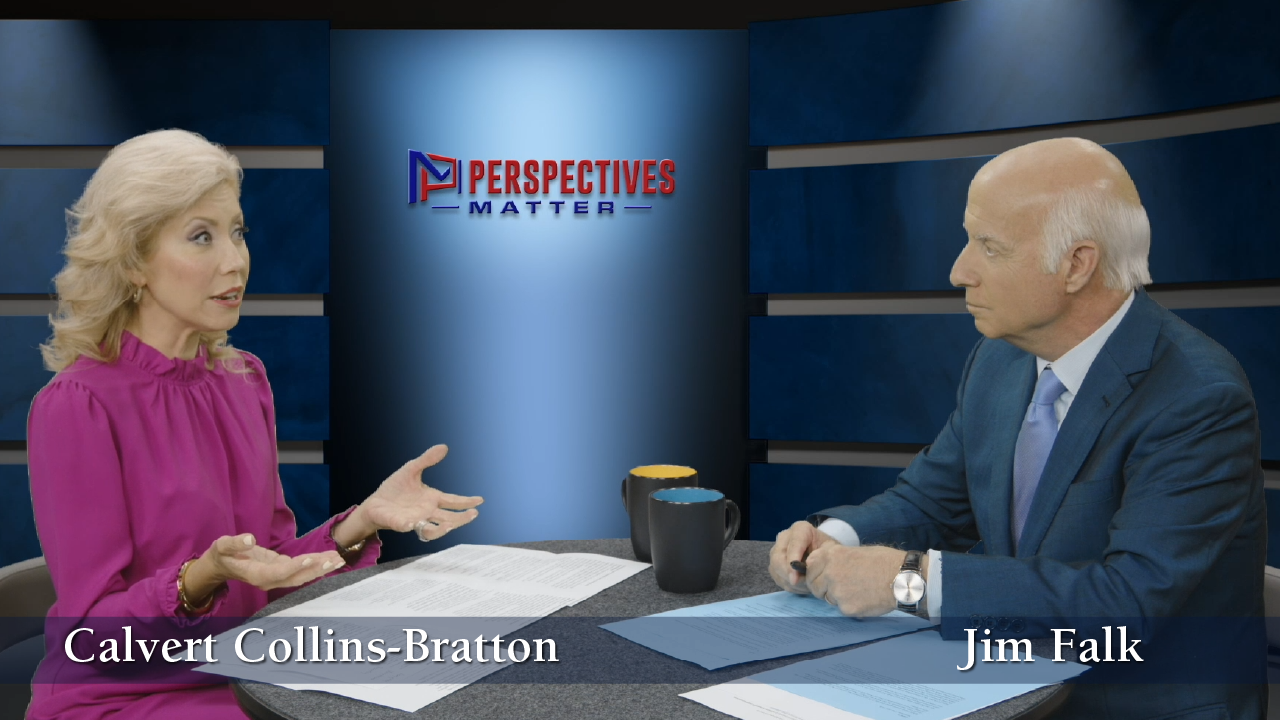
The Challenges Facing Nonprofits Today (5013)
There has been, since the 1970s, a push towards giving the President near absolute power expressed through what is described as the unitary executive power. Recognizing the corrupt nature of unchecked power, the Founders and writers of the Constitution designed a system of government with co-equal branches, creating a system of checks and balances.
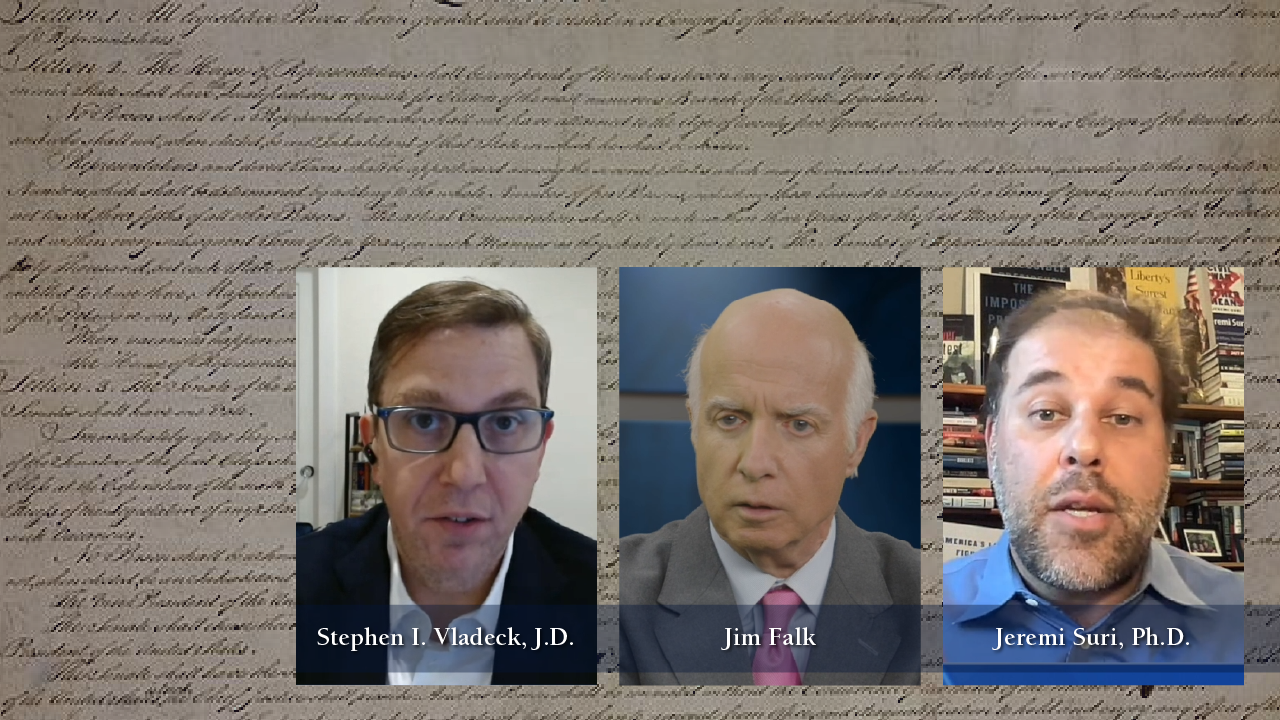
Unitary Executive Powers (5016)
There has been, since the 1970s, a push towards giving the President near absolute power expressed through what is described as the unitary executive power. Recognizing the corrupt nature of unchecked power, the Founders and writers of the Constitution designed a system of government with co-equal branches, creating a system of checks and balances.